





Hire Rust Developers for High-Performance Systems & Secure Backend Applications

Hire Rust developers with experience in high-performance systems, scalable backend applications, cloud-native platforms, APIs, and secure infrastructure development. Our dedicated Rust developers help startups, SMEs, and enterprises build secure, maintainable, and performance-focused applications using modern Rust development practices.

From distributed systems and backend infrastructure to APIs and cloud-native platforms, we build Rust applications designed for speed, memory safety, scalability, and long-term maintainability.

Why Businesses Hire Rust Developers

Rust is one of the fastest-growing programming languages for building secure systems, scalable backend infrastructure, APIs, and performance-critical applications.

Businesses hire Rust developers because Rust offers

Rust developers are widely hired for backend infrastructure, cloud-native systems, APIs, distributed applications, DevOps platforms, and performance-critical software.

Why Hire Rust Developers from Naveck

Hiring experienced Rust developers helps businesses build scalable applications without sacrificing backend performance, security, or infrastructure efficiency.

Clients hire Rust developers from Naveck because we provide

Our Rust developers build scalable, secure, and high-performance applications for SaaS platforms, startups, enterprise businesses, and cloud-native systems.

Hire Dedicated Rust Developers

We provide dedicated Rust developers for startups, SaaS businesses, and enterprise organizations looking to build scalable backend systems and performance-focused infrastructure.

Dedicated Rust Hiring Models

Hire Rust developers for startup MVPs, APIs, cloud-native applications, distributed systems, enterprise infrastructure, and long-term backend development projects.


Our dedicated Rust developers help businesses with

Custom Rust Application Development Services

We build custom Rust applications with scalable backend architecture, distributed systems engineering, and cloud-native development workflows.


Our Rust development services include

Rust Systems Programming & Infrastructure Development

We help businesses build scalable systems software and backend infrastructure using Rust for better performance, reliability, and memory safety.


Infrastructure development services include

Enterprise Rust Backend Development

Our Rust developers build scalable backend systems and enterprise applications for modern business operations.


Development services include

Rust Migration and Modernization Services

We help businesses modernize outdated backend systems and migrate applications to Rust for better scalability, security, and infrastructure performance.


Migration services include

Rust Maintenance and Support Services

We provide long-term Rust maintenance and support services to improve backend performance, scalability, and application stability.


Support services include

Top Rust Developers for Secure Infrastructure & Backend Systems

Our Rust developers help businesses build scalable backend systems for cloud-native applications, APIs, distributed systems, enterprise infrastructure, and performance-critical applications.

We focus on backend engineering using

Our Rust developers follow structured backend engineering practices that help businesses build stable, high-performance, and future-ready applications.

Common Challenges We Solve with Rust

Our top Rust developers help businesses solve infrastructure scalability, backend security, and performance optimization challenges.

Challenges Businesses Face

How Our Rust Developers Solve Them

Rust excels when safety and performance must coexist.

Rust vs Other Backend Technologies

Businesses often compare Rust with Golang, C++, and Java when choosing the best technology for scalable infrastructure and backend applications.

Rust stands out for memory safety, backend performance, concurrency handling, and secure systems engineering.

Feature

Memory Safety

Backend Performance

Concurrency Handling

Infrastructure Efficiency

Cloud-Native Support

Scalability

API Development

Security

Maintainability

Enterprise Suitability

Rust

Excellent

Excellent

Excellent

Excellent

Excellent

Excellent

Excellent

Excellent

Excellent

Excellent

Other Backend Technologies

Moderate

Very Good

Good

Good

Very Good

Excellent

Excellent

Good–Very Good

Very Good

Excellent

Rust is widely preferred for secure backend systems, cloud-native applications, distributed infrastructure, APIs, and performance-critical applications.

When Should You Hire Rust Developers?

Rust is ideal when building secure backend systems, cloud-native applications, distributed infrastructure, APIs, and performance-critical software requiring memory safety, scalability, concurrency support, and high-performance backend engineering.

Rust is especially suitable for APIs, cloud-native systems, distributed applications, enterprise infrastructure, and scalable backend systems.

Is Rust the Right Choice for Your Project?

Rust is ideal when

For rapid content-driven MVPs, higher-level frameworks may be better. We help you choose based on actual system requirements.

Our Rust Development Process

01

Requirement Analysis

Understanding business goals, backend requirements, and scalability needs.

02

Architecture Planning

Planning scalable Rust backend architecture and distributed system structure.

03

Backend Development

Building scalable and secure Rust applications with clean backend engineering.

04

API & Cloud Integration

Connecting backend systems with APIs, cloud services, and third-party platforms.

08

Ongoing Support

Providing continuous Rust maintenance and backend optimization.

07

Deployment

Deploying production-ready Rust applications and infrastructure.

06

Testing & QA

Ensuring backend stability, security, and reliability.

05

Performance Optimization

Improving backend speed, scalability, and infrastructure performance.

Pricing — Hire Rust Developers

The cost to hire Rust developers depends on project complexity, backend architecture requirements, developer expertise, and hiring model.

Rust MVP / Startup Application

$7,000 – $20,000

Mid-Scale Rust Application

$20,000 – $50,000

Enterprise Rust Application Development

$50,000+

What Our Clients Say

Our Tech Stack

The cornerstone of custom enterprise software development is investing in a tech stack to fully modernize operations and provide a smooth UX. With our embedded tech expertise and deep understanding, our team is committed to delivering great user experiences.

FAQs – Hire Rust Developers

Hiring Rust developers helps businesses build scalable, secure, and high-performance backend applications for cloud-native systems, APIs, distributed infrastructure, enterprise applications, and performance-critical software. Rust developers are experienced in systems programming, distributed backend architecture, concurrent processing, secure backend engineering, and scalable infrastructure development. Businesses often hire Rust developers because Rust provides memory safety, backend performance optimization, lightweight infrastructure management, and reliable concurrent processing. Experienced Rust developers help improve backend scalability, infrastructure efficiency, application security, and long-term maintainability for growing businesses. Rust is especially suitable for businesses building high-performance backend systems and secure infrastructure applications requiring scalability, stability, and efficient backend engineering.

Yes, Rust is widely used for scalable enterprise applications, APIs, distributed infrastructure, cloud-native systems, and backend platforms because it provides high-performance backend architecture, memory-safe development, and scalable concurrent processing. Businesses use Rust for enterprise APIs, infrastructure tools, workflow automation systems, secure backend systems, and scalable distributed applications. Rust is especially useful for organizations building secure infrastructure and performance-focused backend systems requiring scalable concurrent processing and long-term maintainability. Large businesses often choose Rust because it supports scalable backend systems, lightweight deployment, secure backend engineering, and high-performance application infrastructure.

The cost to hire Rust developers depends on project complexity, backend architecture requirements, developer expertise, and hiring model. Startup MVPs and smaller backend projects generally cost less compared to enterprise-grade applications requiring advanced infrastructure engineering, distributed systems, concurrent processing, and long-term support. Businesses can hire Rust developers on hourly, monthly, contract-based, or dedicated team models depending on project requirements. Offshore Rust developers from India are often more cost-effective while still providing high-quality backend development services. Pricing may also vary depending on infrastructure complexity, API integrations, scalability planning, cloud infrastructure, and long-term maintenance requirements.

Yes, businesses can hire remote Rust developers for cloud-native applications, backend modernization projects, APIs, distributed systems, enterprise infrastructure, and scalable backend applications. Remote Rust developers help companies reduce hiring costs while accessing experienced backend engineering talent globally. Businesses often hire remote Rust developers for scalable APIs, cloud-native backend systems, infrastructure applications, and long-term backend development projects. Dedicated remote Rust developers can work as long-term backend resources, contract-based developers, or extended remote development teams. Offshore Rust developers are especially useful for startups and enterprise businesses looking for cost-effective backend development without compromising infrastructure performance, scalability, or security.

Professional Rust developers should have expertise in systems programming, scalable APIs, distributed systems engineering, cloud-native applications, backend optimization, concurrent processing, infrastructure development, and secure backend architecture. Experienced Rust developers should also understand memory management, cloud deployment, scalable backend systems, API integrations, backend security, and maintainable infrastructure engineering practices. Businesses hiring Rust developers should look for experience in building scalable SaaS platforms, APIs, distributed systems, cloud-native applications, and enterprise infrastructure. Strong knowledge of Rust architecture, infrastructure engineering, concurrent processing, and scalable backend development is also important.

Businesses choose Rust because it provides memory-safe backend architecture, high-performance infrastructure development, scalable concurrent processing, secure systems engineering, and maintainable backend workflows. Rust is highly suitable for APIs, cloud-native systems, distributed applications, enterprise infrastructure, and performance-critical backend systems. Businesses building infrastructure platforms, real-time systems, distributed applications, and high-concurrency backend systems often choose Rust because it supports efficient backend execution and secure infrastructure engineering. Rust also helps businesses improve infrastructure reliability, reduce backend complexity, and optimize long-term scalability and performance.

Rust development timelines depend on backend complexity, infrastructure architecture, API requirements, distributed systems engineering, cloud deployment, scalability planning, and project scope. Small startup MVPs or lightweight backend applications may take a few weeks, while enterprise backend systems, cloud-native platforms, APIs, and scalable infrastructure applications may require several months of development. Project timelines are also influenced by concurrent processing requirements, infrastructure deployment, testing, backend workflows, and long-term scalability planning. Hiring experienced Rust developers helps businesses accelerate backend development using structured engineering workflows and scalable infrastructure architecture.

The best Rust developers should have strong experience in scalable backend architecture, systems programming, distributed systems engineering, cloud-native applications, backend optimization, concurrent processing, and infrastructure scalability. Businesses should evaluate Rust developers based on technical expertise, concurrency handling knowledge, infrastructure engineering capabilities, communication skills, and experience building scalable backend applications. Skilled Rust developers understand scalable APIs, cloud deployment, backend security, memory-safe architecture, distributed systems engineering, and maintainable backend practices. Companies building APIs, cloud-native platforms, enterprise infrastructure, or performance-critical applications should hire Rust developers with experience in scalable and secure backend systems.

Ready to Hire Top Rust Developers?

Hire Rust developers to build scalable, secure, and high-performance backend applications for startups, SaaS businesses, and enterprise organizations.

Insights & Guides for Startups & SMEs

Stay ahead with expert guides on cost, MVP development, and choosing the right software solutions for your business.

Development
Dec 27, 2025

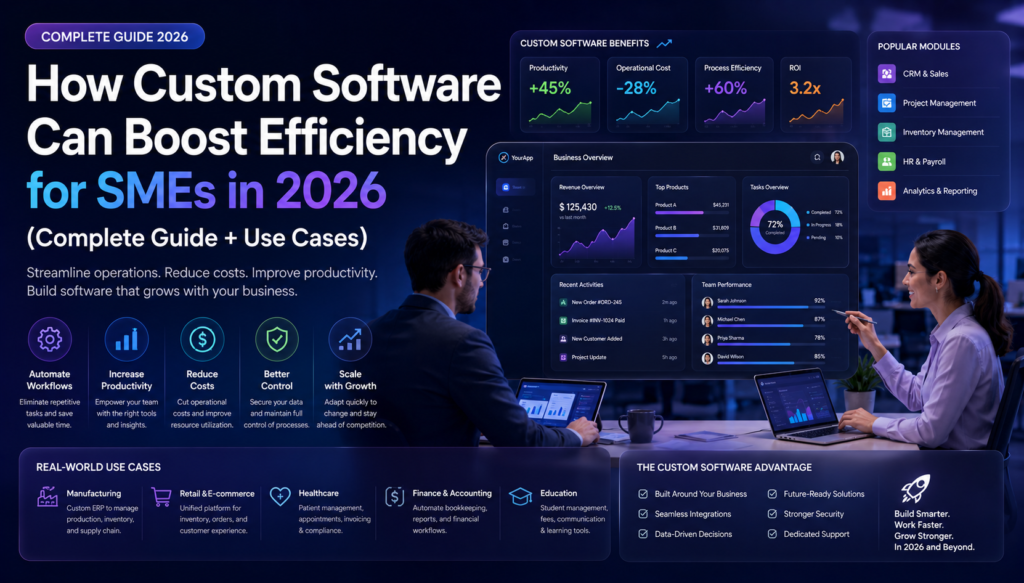
How Custom Software Can Boost Efficiency for SMEs in 2026 (Complete Guide + Use Cases)

Post By Ratan Sharma

In the rapidly evolving digital landscape, efficiency is no longer just about doing things faster; it is about doing things smarter, leaner, and with greater precision. As we approach 2026, the gap between SMEs (Small and Medium-sized Enterprises) that leverage intelligent, tailored systems and those relying on disjointed, manual processes is widening into an unbridgeable […]

Read More →
Development
Dec 22, 2025

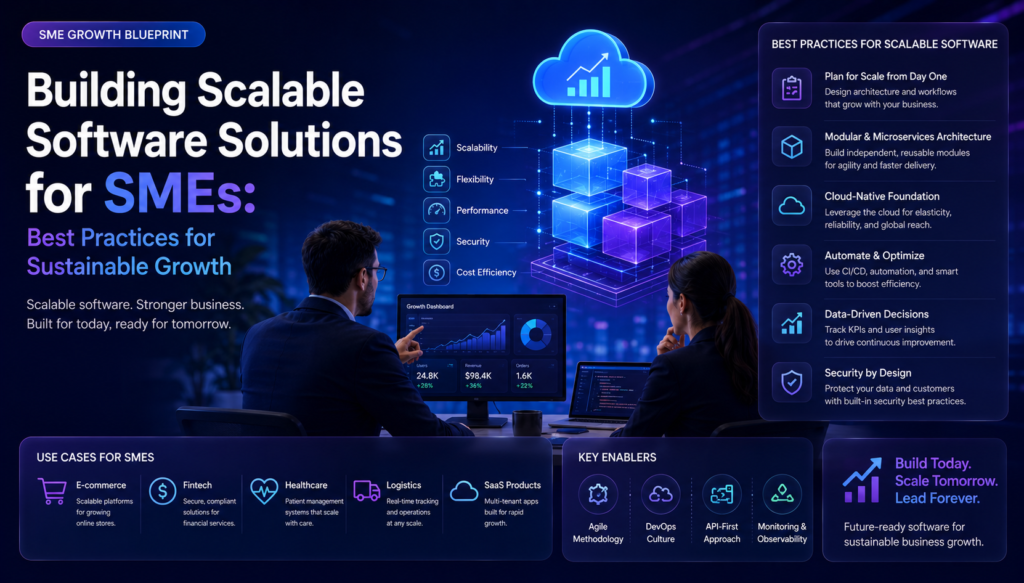
Building Scalable Software Solutions for SMEs: Best Practices for Sustainable Growth

Post By Ratan Sharma

In today’s rapidly evolving digital landscape, small and medium enterprises face a critical challenge: building software systems that can grow alongside their business ambitions. The difference between companies that scale successfully and those that struggle often comes down to one factor—the scalability of their technology infrastructure. This comprehensive guide explores how SMEs can build scalable […]

Read More →
Development
Dec 14, 2025

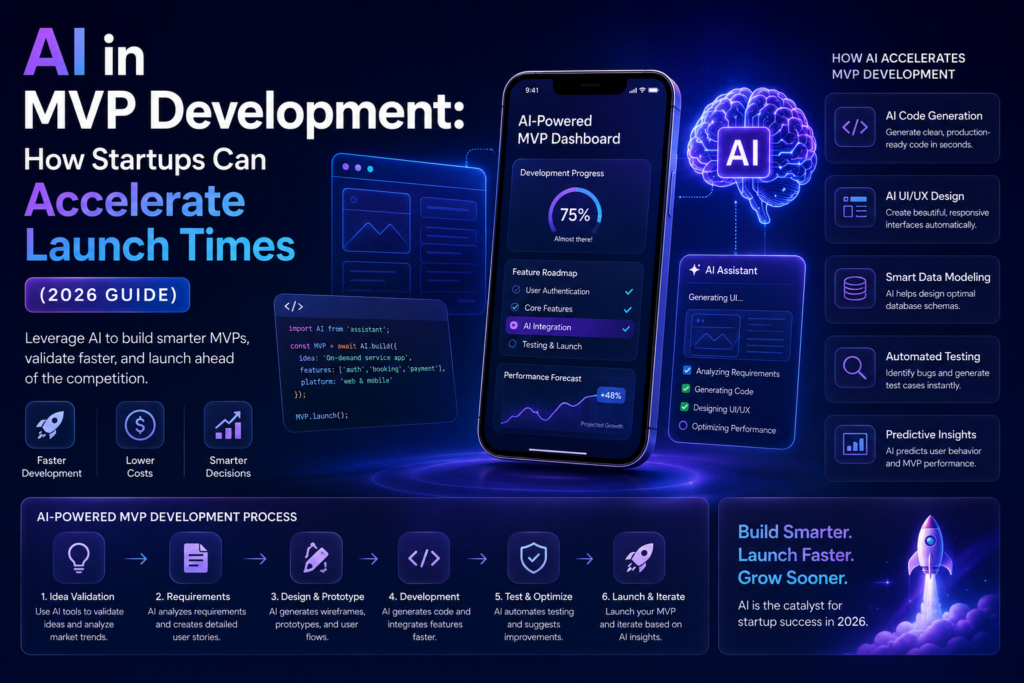
AI in MVP Development: How Startups Can Accelerate Launch Times (2026 Guide)

Post By Ratan Sharma

Introduction: The New Velocity of Innovation In the high-stakes ecosystem of technology startups, speed isn’t just a competitive advantage—it is the primary determinant of survival. According to a 2026 McKinsey Global Institute report, AI-powered development workflows are now helping startups bring products to market up to 70% faster than traditional methods. With over 72% of […]

Read More →